AI Architectures
A Comparison of AI Architectures: LLMs, LNNs, and Neuromorphic AI
1. Large Language Models (LLMs)
Example company: OpenAI
 Core Concept: Utilizes transformer blocks and attention mechanisms to process sequential data, primarily text.
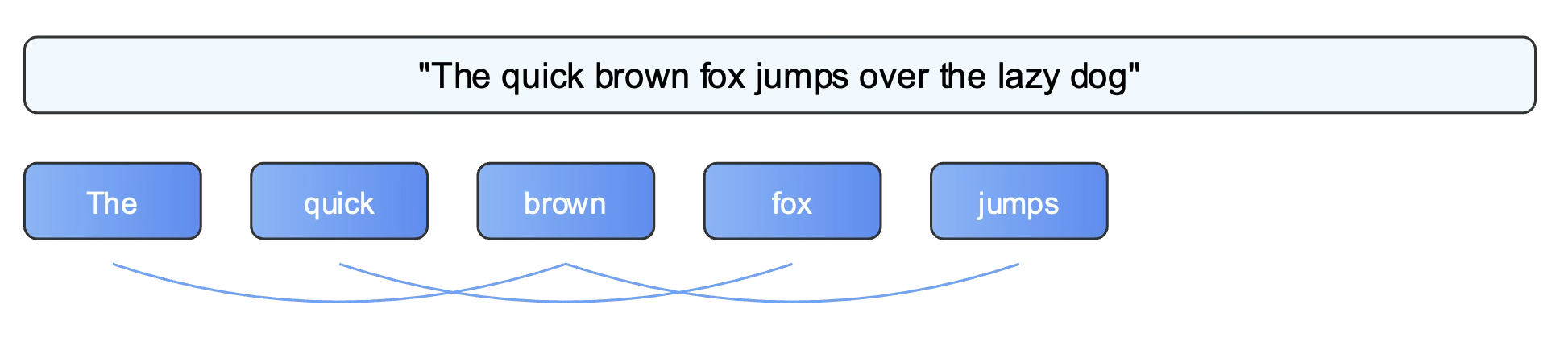 Processing Method: Processes information by breaking it down into sequential tokens and analyzing relationships between them.
Key Characteristics
- Massive parameter count
- Sequential token processing
- Attention mechanisms
Applications
- Text generation
- Language translation
- Content creation
Advantages
- Strong language understanding capabilities
- Versatile across a wide range of tasks
- Benefits from regular improvements and scaling
Disadvantages
- Requires high computational resources
- High energy consumption
- Can be prone to generating incorrect or nonsensical information
2. Liquid Neural Networks (LNNs)
Example company: Liquid AI
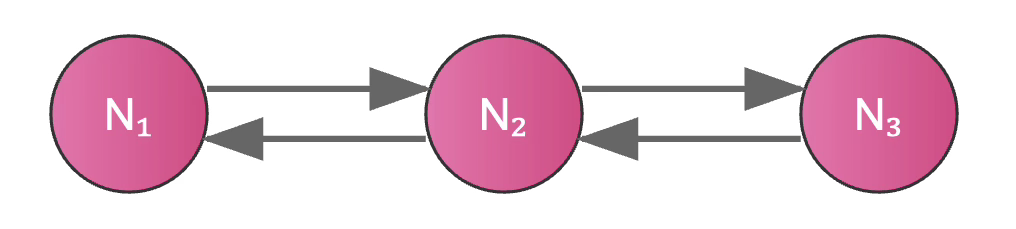 Core Concept: A type of recurrent neural network that uses differential equations to model continuous-time dynamics.
 Processing Method: Handles data as a continuous flow, allowing it to adapt its behavior over time.
Key Characteristics
- Continuous-time dynamics
- Adaptive behavior
- Compact architecture
Applications
- Robotics control
- Time-series prediction
- Adaptive systems
Advantages
- Efficient use of parameters
- Capable of real-time adaptation
- Naturally handles temporal (time-based) data
Disadvantages
- Primarily limited to time-series data
- A newer and less established technology
- Can have a complex implementation
3. Neuromorphic AI
Example company: conscium AI
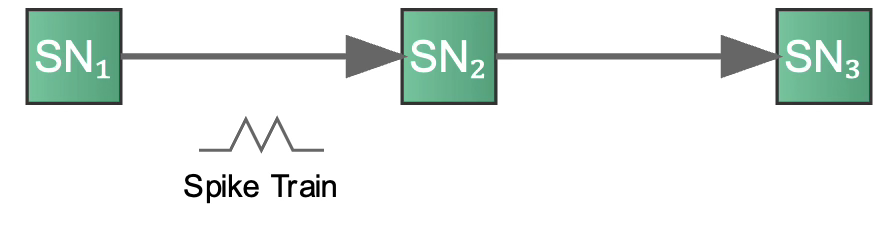 Core Concept: Inspired by the biological brain, this architecture uses networks of spiking neurons.
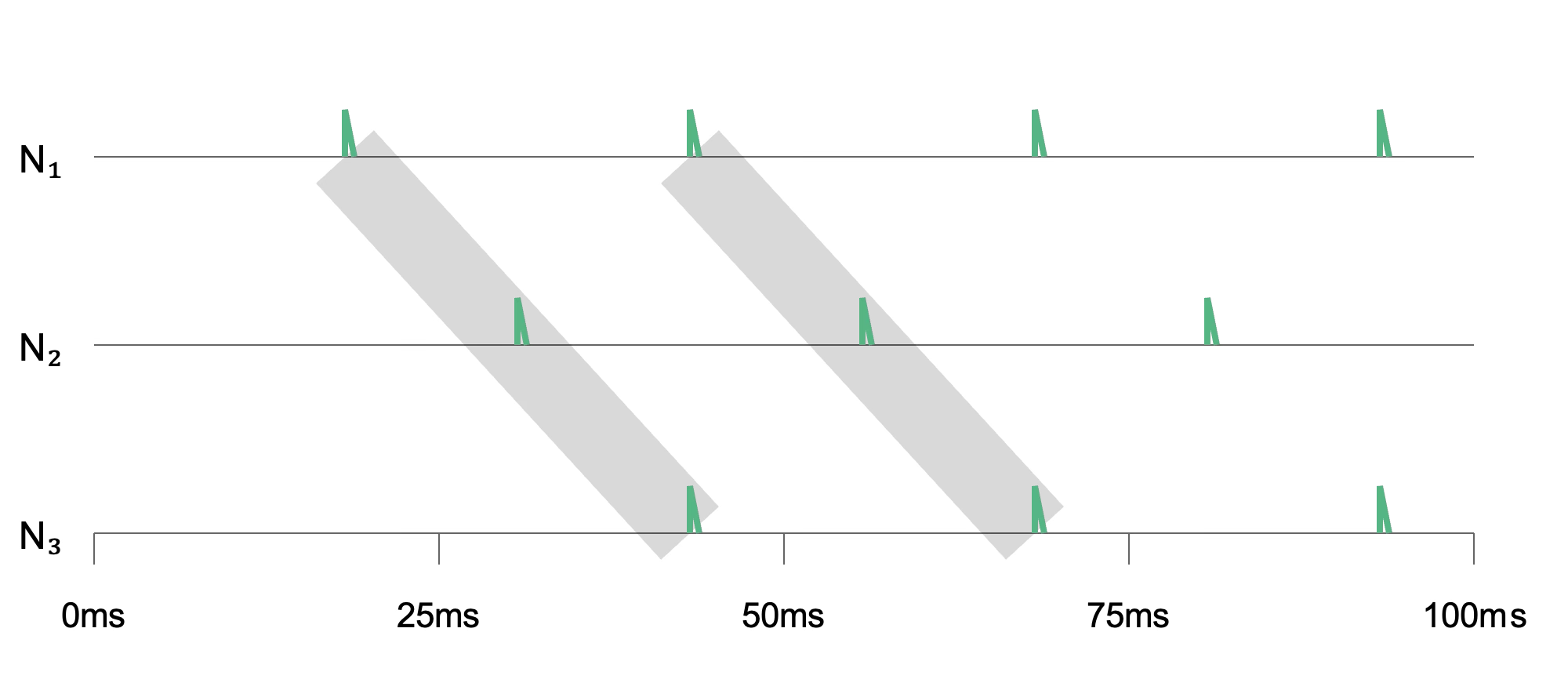 Processing Method: Operates based on discrete, event-driven “spikes”, processing information only when new data arrives.
Key Characteristics
- Spike-based processing
- Event-driven computation
- Bio-inspired architecture
Applications
- Edge computing
- Sensor data processing
- Internet of Things (IoT) devices
Advantages
- Highly energy-efficient
- Fast, real-time processing capabilities
- Robust to noise in the input data
Disadvantages
- A limited ecosystem of tools and platforms
- Often requires specialized hardware for optimal performance
- Still an emerging technology
Comparative Analysis
| Architecture | Energy Efficiency | Maturity | Ease of Implementation | Adaptability |
|---|---|---|---|---|
| Large Language Models | Low | High | High | Moderate |
| Liquid Neural Networks | Moderate | Medium | Moderate | High |
| Neuromorphic AI | High | Low | Low | High |